Table of Contents
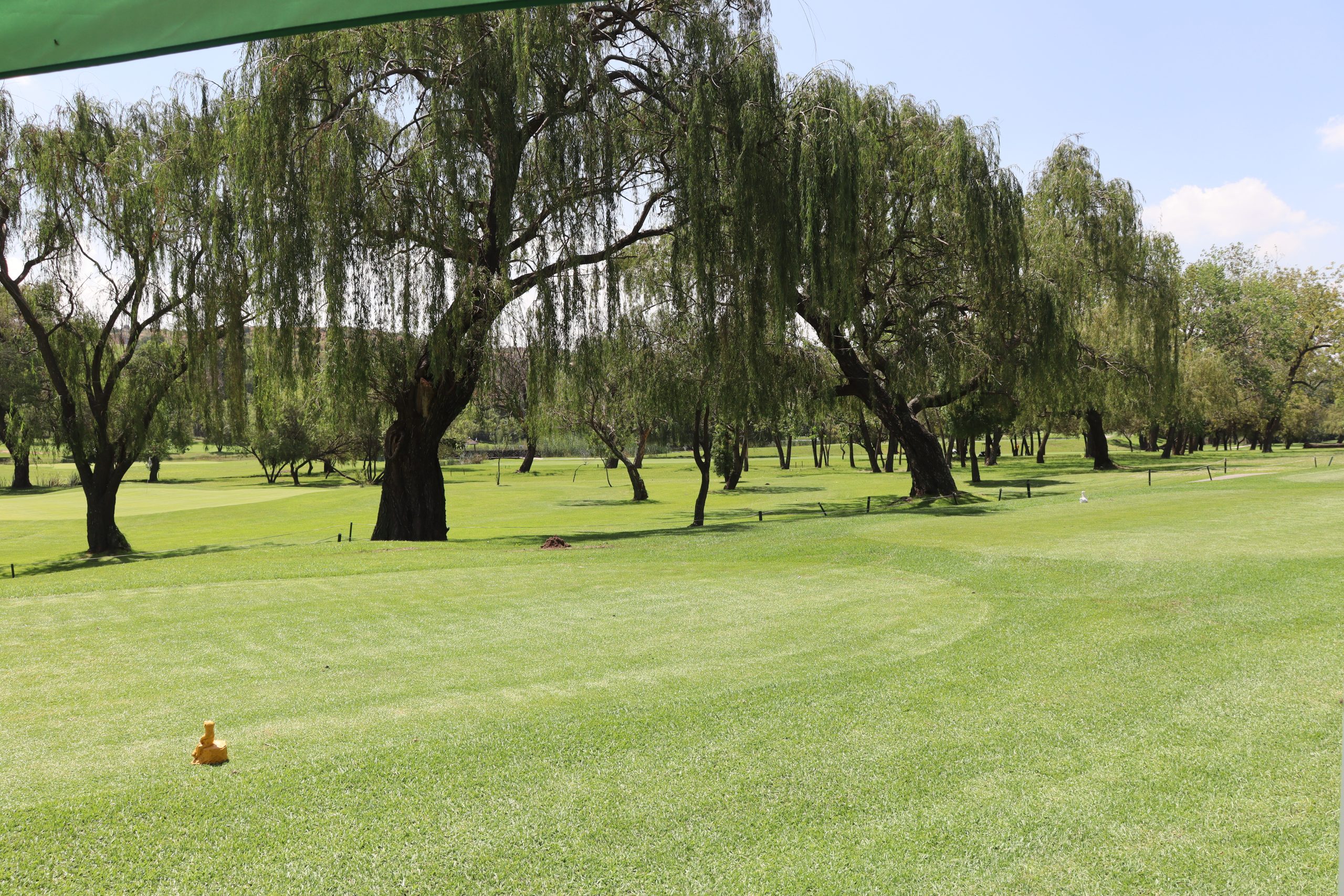
Maintaining a vibrant, lush lawn doesn’t have to come at the cost of excessive water usage. With environmental concerns on the rise and water bills climbing, many homeowners and turf professionals are searching for ways to keep their lawns healthy while conserving water. The good news? A water-efficient lawn is entirely achievable with the right strategies.
In this article, we’ll explore seven proven techniques to minimise water usage without compromising the health and beauty of your lawn.
1. Choose the Right Grass for Your Climate
One of the easiest ways to reduce water usage is to select a grass variety suited to your region’s climate. Warm-season grasses like Bermuda or Zoysia thrive in hot, dry regions, while cool-season grasses, such as Kentucky bluegrass or fescue, perform better in cooler climates. Native and drought-tolerant grasses require less water and maintenance, making them an eco-friendly choice.
Action Tip:
Consult with your local garden centre or turf specialist to identify the best grass type for your area.
2. Water Smartly and Efficiently
Overwatering is a common mistake that leads to water waste and unhealthy lawns. Instead, water deeply but less frequently to encourage deep root growth. Early morning is the best time to water your lawn, as it minimises evaporation and ensures the grass has adequate moisture throughout the day.
Action Tip:
Invest in a smart irrigation system or timer to optimise watering schedules and avoid overwatering.
3. Use Mulch and Aeration to Retain Moisture
Mulching your lawn can significantly reduce evaporation by covering the soil and keeping it cool. Similarly, aerating your lawn allows water to penetrate deeper into the soil, promoting better absorption and reducing runoff.
Action Tip:
Aerate your lawn at least once a year, ideally in the spring or fall, to improve water retention and root health.
4. Mow at the Right Height
Mowing your lawn too short can stress the grass and increase water loss. Instead, keep your grass at a longer height to shade the soil and reduce evaporation. Most grasses thrive when kept at a height of 2.5 to 3 inches.
Action Tip:
Sharpen your mower blades regularly to ensure clean cuts, as torn grass blades lose more moisture.
5. Embrace Xeriscaping
Xeriscaping involves landscaping with drought-resistant plants and features that reduce water usage. By incorporating areas of native plants, rocks, and mulch, you can create a visually appealing lawn while conserving water.
Action Tip:
Replace unused or difficult-to-maintain lawn areas with xeriscaped zones to significantly cut water consumption.
6. Harvest and Reuse Rainwater
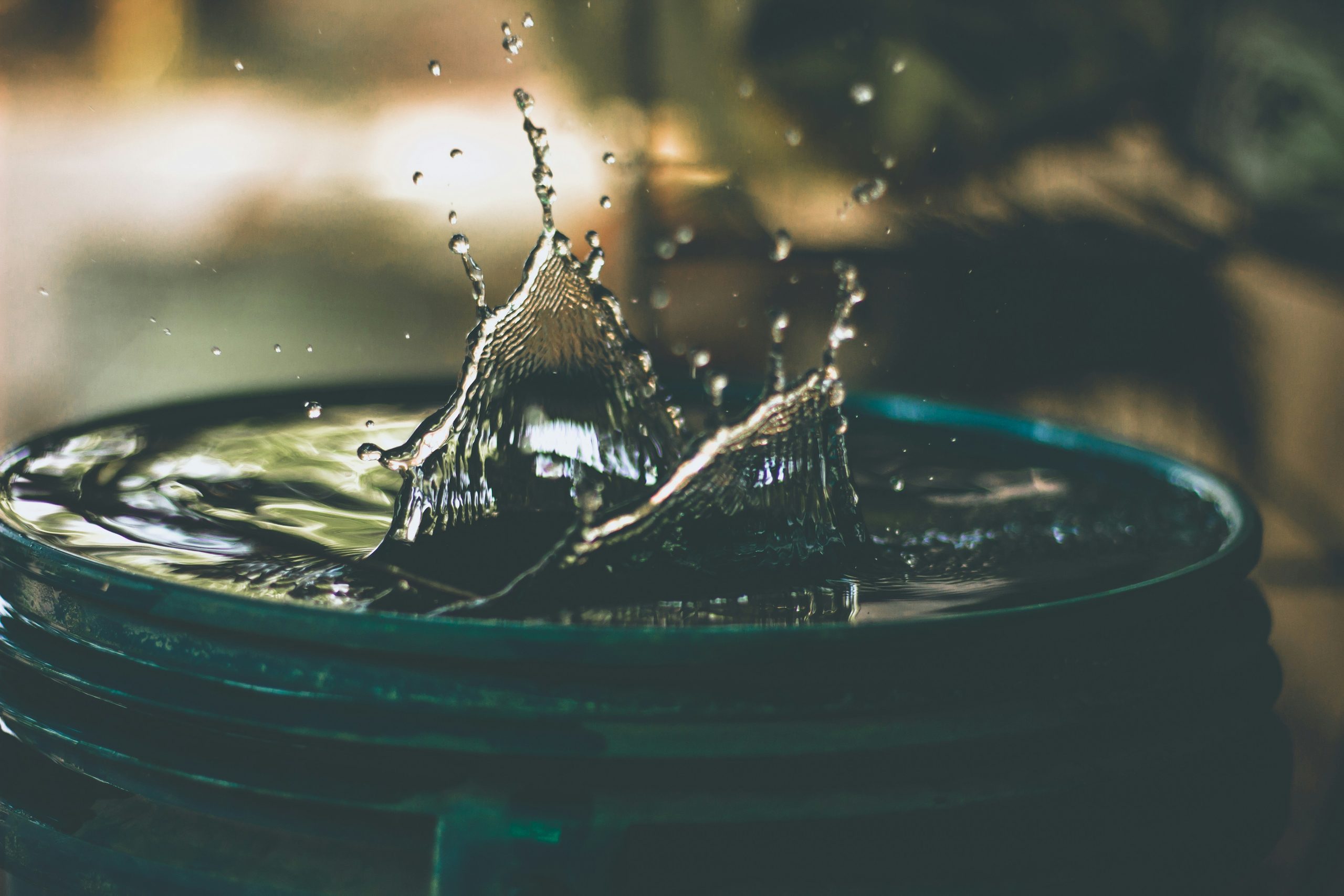
Rainwater harvesting is an excellent way to reduce reliance on municipal water sources. Install rain barrels or a rainwater collection system to capture runoff from your roof. Use this water to irrigate your lawn and garden.
Action Tip:
Place rain barrels under downspouts and consider connecting them to a drip irrigation system for easy use.
7. Regularly Test and Improve Soil Health
Healthy soil is the foundation of a thriving lawn. Test your soil to ensure it has the right pH balance and nutrients. Adding organic matter, such as compost, can improve soil structure and water retention.
Action Tip:
Perform a soil test every couple of years and amend the soil as needed to create optimal growing conditions.
Key Takeaways
Minimising water usage doesn’t mean sacrificing lawn health or aesthetics. By choosing the right grass, watering smartly, improving soil health, and incorporating water-wise landscaping practices, you can maintain a lush, green lawn while conserving valuable resources.
Start small by implementing one or two of these strategies and expand your efforts over time. Not only will you save water and reduce costs, but you’ll also contribute to a more sustainable environment.
Remember, a water-efficient lawn is good for your wallet, your lawn’s health, and the planet!