Table of Contents
Mulching vs. collecting grass is one of the biggest questions homeowners and lawn care professionals face when maintaining a lush, green lawn: should you mulch or collect your grass clippings? Both methods have their pros and cons, and understanding them can help you make the best decision for your turf. In this article, we’ll dive into the details of mulching and collecting grass, so you can choose the option that keeps your lawn healthy and thriving.
What Is Mulching?
Mulching involves cutting the grass into very small clippings and leaving them on the lawn after mowing. A mulching mower is often used for this purpose, as it chops the clippings finely and distributes them evenly across the turf.
Benefits of Mulching
- Nourishes the Soil: Grass clippings act as a natural fertiliser, returning essential nutrients like nitrogen, potassium, and phosphorus to the soil.
- Reduces Waste: Mulching eliminates the need to bag and dispose of grass clippings, making it an eco-friendly option.
- Retains Moisture: A layer of clippings helps the soil retain moisture, reducing the need for frequent watering.
- Saves Time: Without the added step of collecting clippings, mowing becomes quicker and more efficient.
Drawbacks of Mulching
- Not Suitable for Tall or Wet Grass: Mulching works best when the grass is dry and mowed regularly. Long or wet clippings can clump together, potentially smothering the lawn.
- May Spread Weeds: If your lawn has weeds, mulching can spread their seeds across the turf, making the problem worse.
What Is Collecting Grass?
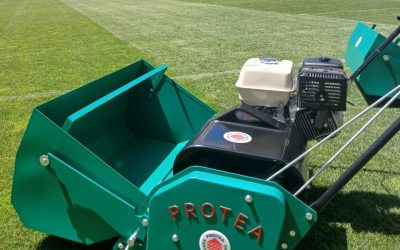
Collecting grass involves using a bagging attachment on your mower to gather clippings as you mow. The clippings are then disposed of or composted.
Benefits of Collecting Grass
- Cleaner Appearance: Removing clippings leaves the lawn looking neat and well-maintained.
- Prevents Thatch Build-Up: Collecting grass can help reduce the risk of thatch accumulation, which occurs when organic debris builds up faster than it decomposes.
- Better for Weed Control: If your lawn has weeds, bagging the clippings prevents their seeds from spreading.
Drawbacks of Collecting Grass
- Wastes Nutrients: By removing clippings, you’re also removing the nutrients that could have been recycled back into the soil.
- Time and Effort: Collecting clippings adds extra steps to your mowing routine, and you’ll need to find a way to dispose of them.
- Environmental Impact: Disposing of grass clippings in landfills contributes to unnecessary waste.
Which Option Is Better for Your Lawn?
The answer largely depends on your lawn’s specific needs, your maintenance routine, and your personal preferences. Here are some factors to consider:
Lawn Health
- If your goal is to improve soil health and reduce the need for chemical fertilisers, mulching is the better choice.
- If your lawn struggles with thatch build-up or has a weed problem, consider collecting the clippings instead.
Lawn Size
- For large lawns, mulching can save time and effort by eliminating the need for bagging and disposing of clippings.
- On smaller lawns, collecting grass may not be as time-consuming and can result in a tidier appearance.
Mowing Frequency
- If you mow frequently and keep the grass short, mulching is highly effective.
- If you let the grass grow long between mowing sessions, collecting the clippings might be necessary to avoid clumping and smothering.
Tips for Effective Mulching and Collecting
Regardless of the method you choose, following these tips can help you get the best results:
Tips for Mulching
- Use a mower with a mulching blade for finer clippings.
- Only mulch when the grass is dry to avoid clumping.
- Mow regularly to keep clippings short and manageable.
Tips for Collecting
- Compost your grass clippings instead of throwing them away to reduce waste.
- Use the collected clippings as mulch for flower beds or gardens.
- Empty the bag frequently to prevent clogging and ensure efficient mowing.
Conclusion
When it comes to the mulching vs. collecting grass debate, there’s no one-size-fits-all answer. Mulching is a fantastic option for nourishing your lawn and saving time, while collecting grass is ideal for maintaining a tidy appearance and controlling weeds. By understanding the benefits and drawbacks of each method, you can make an informed decision that suits your lawn’s unique needs.
For lawn care enthusiasts, homeowners, and turf professionals alike, experimenting with both approaches can help you discover what works best for your lawn. Remember, the key to a healthy, vibrant lawn isn’t just about what you do with your grass clippings—it’s about regular maintenance, proper watering, and thoughtful care.