Table of Contents
In today’s economic climate, managing operational costs is more crucial than ever for turf professionals. With fuel prices fluctuating and environmental concerns growing, optimising the efficiency of your turf equipment isn’t just good for your budget—it’s essential for sustainable business practices. This comprehensive guide explores practical strategies to reduce fuel consumption while maintaining top-notch turf quality.
The Truth of Fuel Costs and Fuel Inefficiency
Before diving into solutions, it’s important to understand what’s at stake. For many turf management operations, fuel represents 15-20% of total operational costs. Inefficient equipment usage can drain your budget while contributing unnecessarily to your carbon footprint.
Consider this: A typical commercial mower can consume between 1-3 gallons of fuel per hour. Over a full season, even small improvements in efficiency can translate to thousands in savings.
Maintenance: Your First Line of Defence
Regular Service Intervals
Well-maintained equipment simply uses less fuel. Implement these maintenance practices to maximise efficiency:
- Change air filters regularly – A clogged air filter can increase fuel consumption by up to 10%
- Keep blades sharp – Dull blades require more power and increase fuel usage by 20%
- Follow manufacturer-recommended service schedules for oil changes and tune-ups
- Check tyre pressure weekly – Underinflated tyres can decrease fuel efficiency by 3% or more
Engine Optimization
Modern turf equipment often features fuel-saving technologies that require proper maintenance to function effectively:
- Clean fuel injectors and carburettors regularly
- Use manufacturer-recommended fuel and oil grades
- Consider professional engine diagnostics annually to ensure optimal performance
Operational Strategies for Maximum Efficiency
Smart Mowing Patterns
How you mow matters as much as what you mow with. Implement these operational techniques:
- Plan efficient mowing patterns that minimise turns and overlaps
- Use the 1/3 rule – never remove more than one-third of grass height in a single mowing
- Adjust mowing frequency based on growth rates rather than rigid schedules
- Consider precision mowing techniques that reduce the total area requiring maintenance
Equipment Selection and Usage
Not all jobs require the same equipment. Optimise your fleet usage with these approaches:
- Match equipment size to the job – using oversized equipment for small areas wastes fuel
- Implement zone-appropriate equipment selection based on terrain and turf requirements
- Consider alternative-fuel equipment for specific applications
Technology Solutions for Modern Turf Management
Fuel-Efficient Equipment Innovations
The turf equipment industry has made significant strides in developing fuel-efficient options:
- Electronic fuel injection (EFI) systems can improve fuel efficiency by 25% compared to carbureted engines
- Hybrid and electric options offer dramatic fuel savings for certain applications
- GPS-guided systems minimise overlap and optimise cutting patterns
Monitoring and Analytics
You can’t improve what you don’t measure. Modern monitoring systems provide valuable insights:
- Implement fuel tracking systems to identify high-consumption equipment or operators
- Use operational analytics to optimise routes and schedules
- Consider telematics systems that provide real-time efficiency data
Training: The Human Element of Efficiency
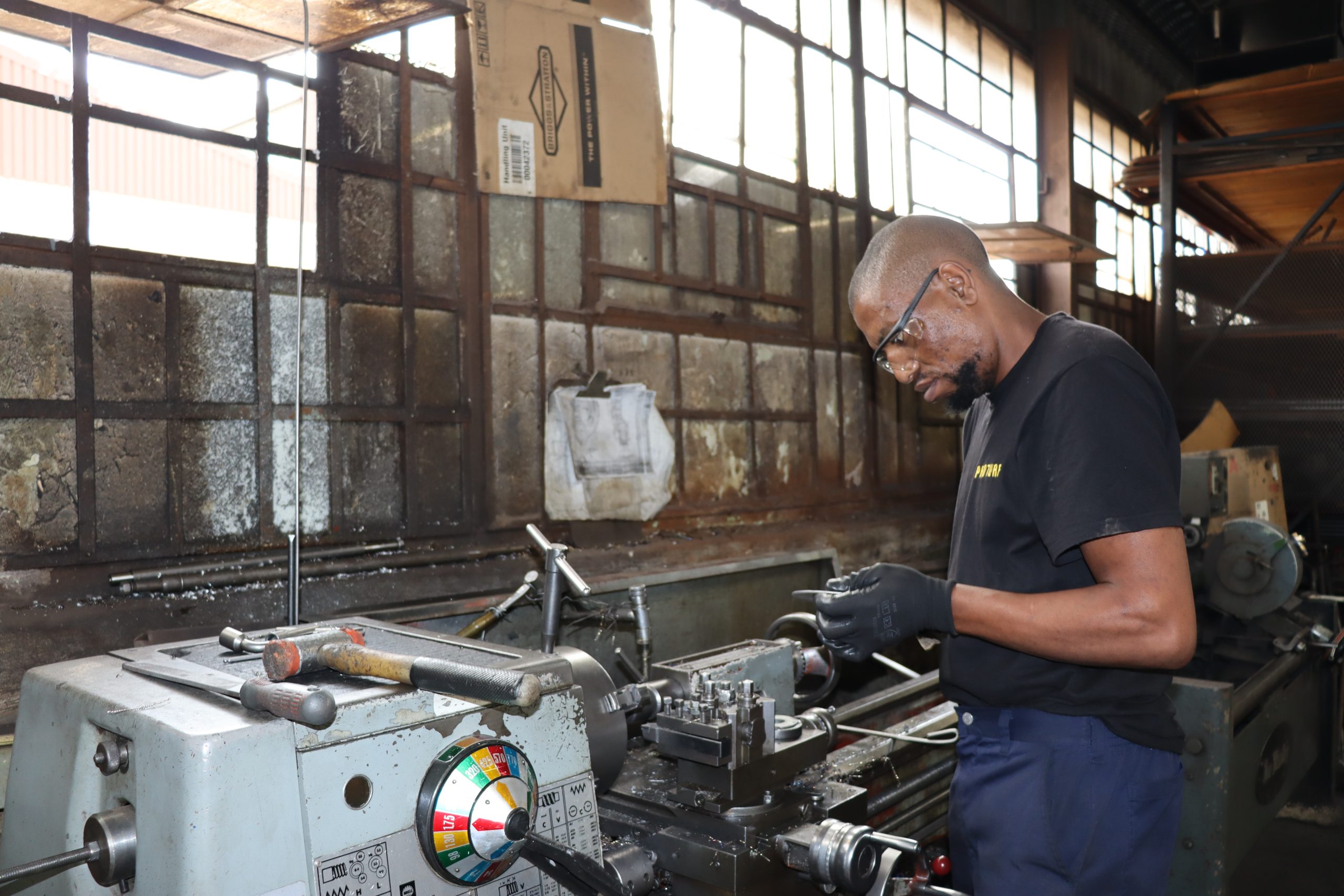
Even the most efficient equipment can waste fuel in untrained hands. Invest in comprehensive operator training focused on:
- Proper throttle management – running at full throttle unnecessarily wastes fuel
- Efficient turning and manoeuvring techniques
- Appropriate equipment selection for specific tasks
- Recognition of maintenance issues that may affect performance
The ROI of Efficiency Investments
Implementing these strategies requires investment in time and resources, but the returns are substantial:
- 15-30% reduction in overall fuel consumption
- Extended equipment lifespan
- Reduced maintenance costs
- Environmental benefits that may qualify for certifications or incentives
Conclusion: A Sustainable Approach to Turf Management
Reducing fuel costs isn’t just about saving money—it’s about creating a more sustainable operation that’s resilient to fuel price fluctuations and aligned with growing environmental expectations.
By implementing a comprehensive approach to equipment efficiency—combining maintenance best practices, operational strategies, technological solutions, and proper training—turf professionals can significantly reduce their fuel costs while maintaining or even improving turf quality.
The journey toward more efficient operations starts with a single step. Begin by auditing your current equipment usage, identifying your biggest fuel consumers, and implementing the strategies that offer the quickest returns.