Table of Contents
Creating those eye-catching striped patterns on your lawn isn’t just for professional sports fields anymore. With the right techniques and a bit of practice, you can transform your ordinary home garden into a stunning showcase that will impress your neighbours and bring you satisfaction every time you look out your window. In this comprehensive guide, we’ll walk you through everything you need to know about creating beautiful lawn stripes at home.
What Are Lawn Stripes and How Do They Work?
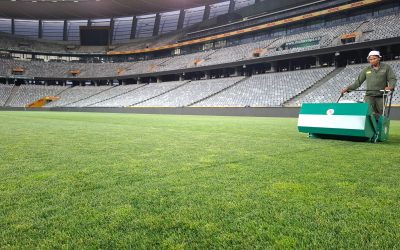
Lawn stripes are those alternating light and dark bands you see on professional sports fields and well-maintained gardens. The visual effect isn’t created by cutting grass at different heights or using different grass types – it’s all about light reflection.
When grass is bent in one direction, it reflects light differently than grass bent in the opposite direction. Blades bent toward you appear darker, while those bent away appear lighter. This simple principle of light reflection creates the striking striped pattern we admire.
Essential Equipment for Lawn Striping
Lawn Mowers with Rollers
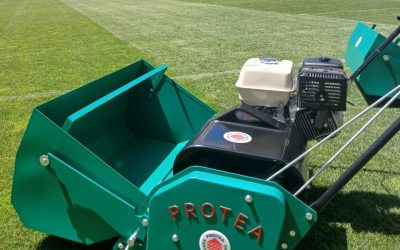
The most important tool for creating lawn stripes is a mower equipped with a roller. The roller bends the grass blades in the direction you’re moving, creating that all-important light reflection effect. While professional cylinder mowers produce the best results, you can achieve good stripes with:
- Cylinder mowers with integrated rollers (ideal option)
- Rotary mowers with striping kits attached
- Standard mowers with DIY roller attachments
Stand-Alone Lawn Rollers
If your mower doesn’t have a roller, you can purchase a separate lawn roller to use after mowing. These are typically filled with water or sand to provide the necessary weight for bending grass effectively.
Step-by-Step Guide to Creating Perfect Lawn Stripes
1. Prepare Your Lawn
Before striping, ensure your lawn is in good condition:
- Mow regularly to maintain an ideal height (about 2.5-3 cm for most home lawns)
- Remove weeds and thatch that can disrupt the pattern
- Water appropriately to keep the grass healthy and bendable
- Consider fertilising to promote lush, even growth
2. Plan Your Pattern
The classic striped look is achieved by mowing in straight, alternating lines. For beginners, try these tips:
- Use a fixed point in the distance as a reference to keep lines straight
- Start with simple straight lines before attempting more complex patterns
- For the first stripe, mow along a straight edge like a fence or driveway
3. Mowing Technique
Proper technique is crucial for distinct stripes:
- Mow in straight, parallel lines across your lawn
- When you reach the end of a stripe, lift the mower slightly while turning
- Mow the adjacent stripe in the opposite direction
- Overlap slightly with the previous stripe to avoid missed patches
- Maintain a consistent speed for even grass bending
4. Enhancing Your Stripes
For more pronounced stripes:
- Make a second pass with your roller in the same direction
- Consider slightly lowering the cutting height for better definition
- Mow more frequently during the peak growing season
Advanced Striping Patterns to Try
Once you’ve mastered basic stripes, consider these patterns:
- Checkerboard: Create stripes in one direction, then create perpendicular stripes over them
- Diamond Pattern: Create a checkerboard, then mow diagonally across it
- Circular Pattern: Start from the centre and work outward in concentric circles
Troubleshooting Common Striping Problems
If your stripes aren’t showing up clearly, consider these solutions:
- Faint stripes: Use a heavier roller or make multiple passes
- Uneven stripes: Focus on maintaining straight lines and consistent speed
- Short-lived stripes: Mow more frequently, especially during rapid growth periods
Maintaining Your Striped Lawn
To keep your stripes looking fresh:
- Mow regularly, following the same pattern each time
- Alternate your striping pattern occasionally to prevent grass from developing a permanent lean
- Keep your mower blades sharp for clean cuts
Creating beautiful lawn stripes is an achievable goal for any home gardener with the right tools and techniques. Not only does it enhance your property’s curb appeal, but the process itself can be a satisfying form of outdoor creativity. Start with the basics, be patient with your progress, and soon you’ll be creating professional-looking lawn stripes that will be the envy of your neighbourhood.