Table of Contents
If you want to maintain lush, beautiful landscapes or pristine sports fields, running an effective groundskeeping team is essential. Whether you’re a homeowner managing a small crew or a professional greenskeeper overseeing a larger operation, success comes down to smart planning, clear communication, and efficient execution. In this guide, we’ll share practical tips for creating and managing a successful groundskeeping team.
Why Does a Successful Groundskeeping Team Matter?
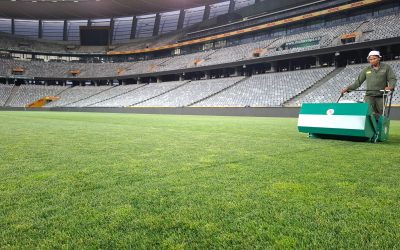
A well-run groundskeeping team can make a tremendous difference in maintaining healthy, visually appealing landscapes. From golf courses and public parks to private lawns and corporate campuses, groundskeeping ensures spaces remain safe, functional, and attractive. Beyond aesthetics, proper groundskeeping enhances property value and reduces long-term maintenance costs.
Key Steps to Running a Successful Groundskeeping Team
1. Build the Right Team
The foundation of a successful team is the people you hire. Look for individuals who are:
- Skilled in groundskeeping techniques, such as mowing, trimming, and irrigation
- Physically able to handle outdoor work over long periods
- Reliable, punctual, and team-oriented
Consider offering training programs to enhance their skills, especially for new hires. Cross-training your team in multiple tasks can improve efficiency and flexibility.
2. Set Clear Goals and Responsibilities
Every team needs a roadmap to succeed. Define clear goals and assign roles to each member. For example:
- Who will handle mowing and edging?
- Who will oversee pest control and fertilization?
- Who is in charge of equipment maintenance?
Providing a clear structure prevents confusion and ensures everyone knows their responsibilities.
3. Invest in Quality Tools and Equipment
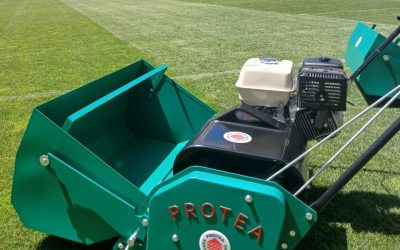
Efficient groundskeeping starts with the right tools. Invest in high-quality mowers, trimmers, aerators, and irrigation systems. Regularly maintain your equipment to avoid breakdowns that can disrupt your team’s workflow.
Pro tip: Keep a checklist to track equipment condition, necessary repairs, and replacements.
4. Prioritize Safety
Groundskeeping involves physical labor and equipment use, which can pose safety risks. Minimize accidents by implementing these best practices:
- Provide proper training on equipment use
- Supply personal protective gear, such as gloves, safety goggles, and ear protection
- Hold regular safety meetings to review protocols
Safety not only protects your team but also boosts morale and productivity.
5. Foster Communication and Collaboration
Strong communication is vital for teamwork. Hold regular meetings to discuss progress, address challenges, and share updates. Use communication tools like group chats or scheduling apps to keep everyone informed.
Encourage collaboration by creating a supportive environment where team members can share ideas and solutions.
6. Plan for Seasonal Changes
Groundskeeping needs vary throughout the year. Plan your tasks according to the seasons:
- Spring: Focus on aeration, seeding, and fertilization.
- Summer: Prioritize irrigation, mowing, and pest control.
- Fall: Rake leaves, prepare for winter, and oversee soil care.
- Winter: Manage snow removal if needed and service equipment for the next season.
Having a seasonal strategy ensures your team stays efficient and prevents unexpected issues.
7. Monitor Progress and Celebrate Wins
Regularly evaluate your team’s performance. Use metrics like the quality of the grounds, completion time for tasks, and customer satisfaction. Provide constructive feedback and recognize outstanding work to motivate your team.
For example, celebrate milestones like completing a large project or reducing equipment downtime.
Tips for Homeowners and Small Crews
If you’re managing a small team or maintaining your own property, these tips can help:
- Streamline your tasks by focusing on high-impact areas, like the front yard or frequently used spaces.
- Use compact, multi-purpose equipment to save costs.
- Schedule regular maintenance days to prevent small issues from becoming big problems.
Final Thoughts
Running a successful groundskeeping team requires a mix of planning, communication, and skill. By hiring the right people, investing in quality tools, and fostering teamwork, you can keep landscapes beautiful and healthy year-round. Whether you’re managing a large crew or a small operation, these tips will help you stay organized and achieve excellent results.
Start implementing these strategies today and see the difference in your team’s efficiency and the landscapes you manage!