Table of Contents
Why Specialized Maintenance Matters for High-Traffic Sports Grounds
Sports grounds that see constant use present unique challenges that standard lawn care approaches simply cannot address. Whether you’re managing a football pitch, cricket field, rugby ground, or multi-use facility, the combination of intensive foot traffic, varied weather conditions, and performance expectations requires a specialized maintenance approach.
High-traffic sports grounds experience significantly more stress than residential lawns or decorative turf areas. Players pivoting, sliding, and running create tremendous pressure on turf systems, leading to compaction, turf damage, and potential safety hazards if not properly maintained. A well-executed maintenance routine doesn’t just preserve aesthetics—it directly impacts player safety and performance quality.
Core Components of an Effective Sports Ground Maintenance Routine
Regular Assessment and Documentation
Every effective maintenance program begins with thorough and regular assessment. Establish a weekly inspection routine that examines:
- Turf density and coverage
- Soil compaction levels
- Drainage effectiveness
- Wear patterns and high-stress areas
- Presence of weeds, pests, or diseases
Document these findings with photos and notes to track changes over time and identify recurring problem areas. This data-driven approach enables proactive rather than reactive maintenance.
Strategic Mowing Practices
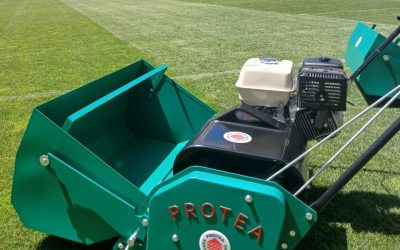
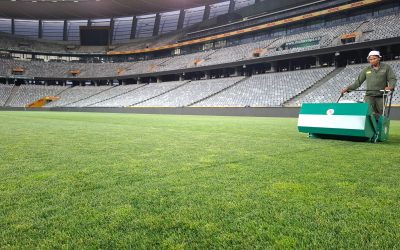
Mowing is perhaps the most frequent maintenance activity, but its importance cannot be overstated. For high-traffic sports grounds:
- Maintain sport-appropriate cutting heights (typically 25-30mm for football and rugby, 3-5mm for cricket squares)
- Never remove more than one-third of the grass blade in a single mowing
- Alternate mowing patterns to prevent grain development and distribute wear
- Keep mower blades sharp to ensure clean cuts that heal quickly
- Consider frequency over height—more frequent, lighter cuts produce better results
Aeration and Decompaction
Soil compaction is inevitable on high-traffic areas and severely restricts root growth and water infiltration. Implement a regular aeration program:
- Conduct deep-tine aeration (100-250mm) at least twice annually
- Perform more frequent shallow aeration (25-100mm) during peak growing seasons
- Target high-wear areas like goal mouths and center spots with additional aeration
- Consider solid tine aeration before events and hollow tine after seasons
Strategic Fertilization
High-traffic areas require precise nutrition to recover from stress and maintain density:
- Conduct soil tests twice yearly to determine exact nutritional needs
- Develop season-specific fertilization programs with higher nitrogen during growth periods
- Consider controlled-release fertilizers to provide consistent nutrition
- Apply additional fertilizer to high-wear zones to encourage recovery
Irrigation and Drainage Management
Water management directly impacts playing surface quality and usability:
- Install moisture meters to guide irrigation decisions rather than following fixed schedules
- Water deeply and infrequently to encourage deep root development
- Ensure drainage systems are regularly inspected and maintained
- Consider installing additional drainage in problematic areas
Seasonal Maintenance Considerations
End-of-Season Renovation
The period immediately following peak usage provides critical recovery opportunity:
- Scarify to remove thatch and dead material
- Conduct aggressive aeration to relieve compaction
- Overseed with appropriate sport-specific grass varieties
- Apply top dressing to improve surface evenness and soil structure
- Consider partial reconstruction of severely damaged areas
Pre-Season Preparation
Before the playing season begins:
- Gradually reduce mowing heights to playing specifications
- Apply appropriate pre-season fertilizers to encourage density
- Conduct light aeration to improve surface firmness
- Implement more frequent rolling to establish playing hardness
Technology and Equipment Considerations
The right equipment significantly impacts maintenance effectiveness:
- Invest in specialized sports turf mowers with precise height control
- Consider robotic mowing systems for frequent, consistent cutting
- Utilize modern aeration equipment that minimizes surface disruption
- Implement GPS-guided application systems for precise fertilizer and treatment application
Creating Your Customized Maintenance Calendar
Develop a comprehensive 12-month maintenance calendar that accounts for:
- Climate conditions specific to your region
- Playing schedules and intensity periods
- Grass species and growth patterns
- Available resources and equipment
- Budget constraints and priorities
The most effective maintenance routines are those tailored to your specific facilities, usage patterns, and environmental conditions. While this framework provides guidance, ongoing assessment and adaptation remain essential to successful sports ground management.
Conclusion
Building an effective maintenance routine for high-traffic sports grounds requires commitment, expertise, and a systematic approach. By implementing these strategies and consistently monitoring results, groundskeepers can develop resilient playing surfaces that withstand intense use while providing safe, high-performance conditions for athletes. Remember that successful sports ground maintenance is both a science and an art—combining technical knowledge with observation and experience to create exceptional playing surfaces.